In the relentless pursuit of weight loss, we’ve been conditioned to believe in a simple, punishing equation: calories in must be less than calories out. We count, we restrict, we push ourselves in grueling workouts, often only to hit a plateau, feel deprived, and watch the weight creep back on. This cycle is not only frustrating but overlooks a fundamental truth: weight is not just about food; it’s about digestion, metabolism, and the unique blueprint of your body.
This is where Ayurveda, the 5,000-year-old science of life, offers a revolutionary perspective. Ayurvedic weight loss isn’t a crash diet or a quick fix; it’s a holistic system that uncovers and addresses the root causes of weight gain. It’s about moving from a state of imbalance (vikriti) back to your natural, balanced state (prakriti), where your body effortlessly finds its healthy, sustainable weight.
If you’re tired of short-term solutions and are ready for a transformation that nourishes you from the inside out, these Ayurvedic secrets are your map.
The Core of the Issue: Understanding Kapha Dosha
In Ayurveda, the universe, and our bodies, are composed of three bio-energies or doshas: Vata (Air & Ether), Pitta (Fire & Water), and Kapha (Earth & Water). Each governs specific functions.
For weight management, Kapha dosha is the primary player. Kapha provides structure, lubrication, and stability. In balance, it gives you strong bones, lustrous skin, and a calm, loving demeanor. However, when aggravated, its heavy, slow, cool, and oily qualities lead to weight gain, fluid retention, and sluggishness.
Common causes of Kapha imbalance include:
- Diet: Overconsumption of sweet, salty, and sour tastes; heavy, oily, cold foods; excessive dairy, wheat, sugar, and processed foods.
- Lifestyle: Lack of physical activity, excessive sleep (especially during the day), a sedentary routine, and lack of mental stimulation.
- Habits: Eating out of boredom or emotion, rather than hunger.
Therefore, the entire Ayurvedic strategy for weight loss revolves around pacifying Kapha dosha by introducing light, warm, dry, and stimulating qualities.
Secret #1: Ignite Your Digestive Fire (Agni)
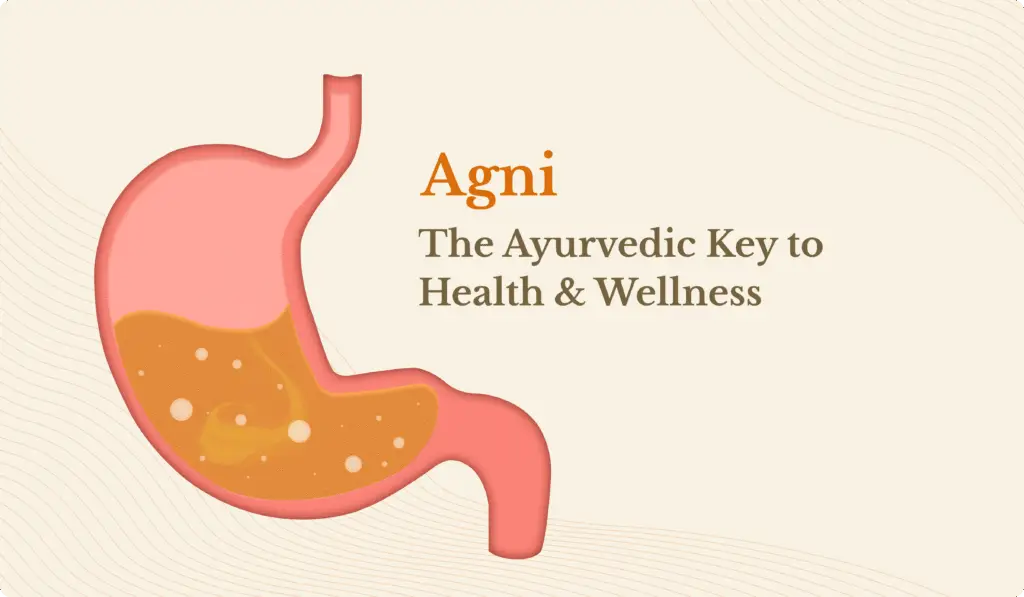
Ayurveda teaches that all disease begins in the digestive tract. A weak or variable digestive fire, known as Agni, is the primary root of weight gain. When Agni is low, food is not properly digested, creating a sticky, toxic residue called Ama. Ama clogs the body’s channels, slows metabolism, and accumulates in the tissues as excess weight.
How to Stoke Your Agni:
- Start Your Day with Warm Water: Before anything else, drink a glass of warm water. You can add a squeeze of lemon and a thin slice of fresh ginger for an extra metabolic kick.
- Eat Your Largest Meal at Lunch: Your digestive fire is strongest between 10 a.m. and 2 p.m., mirroring the peak of the sun. Make lunch your main meal and dinner your lightest.
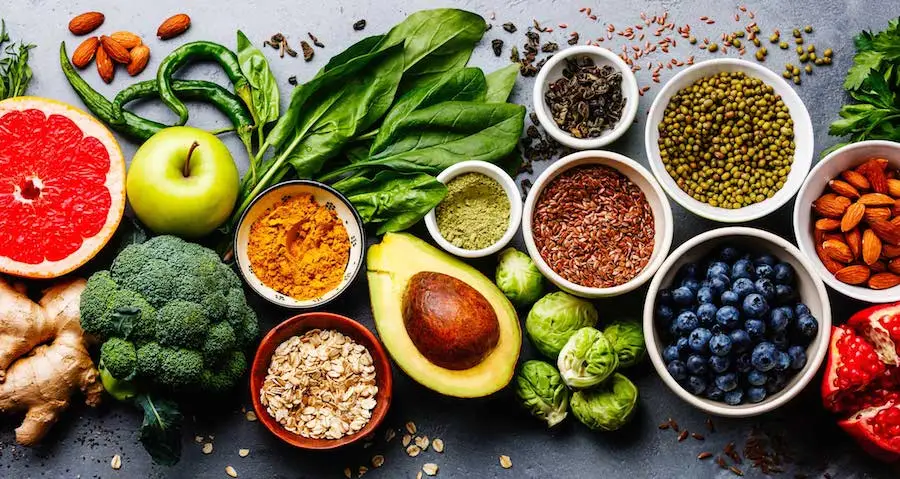
- Embrace Agni-Boosting Spices: Incorporate pungent, bitter, and astringent spices into your cooking. These are Kapha’s antidotes.
- Ginger: Fresh ginger tea before meals is a powerful Agni kindler.
- Black Pepper: Stimulates digestion and metabolism.
- Cumin: Helps digest food and burn Ama.
- Turmeric: A powerful anti-inflammatory that cleanses the blood.
- Fenugreek: Helps regulate blood sugar and reduce water weight.
- Avoid Cold Drinks & Food: Ice-cold beverages douse your digestive fire like water on a flame. Always opt for room-temperature or warm drinks.
Secret #2: The Ayurvedic Approach to Intermittent Fasting
While “intermittent fasting” is a modern buzzword, Ayurveda has long prescribed a similar principle for Kapha types. It’s not about starvation; it’s about giving your digestive system a meaningful break.
The Ayurvedic “Fast”:
- A 12-13 Hour Nightly Fast: Finish dinner by 7 p.m. and don’t eat breakfast until 7-8 a.m. the next morning. This is a gentle, sustainable way to cleanse the system daily.
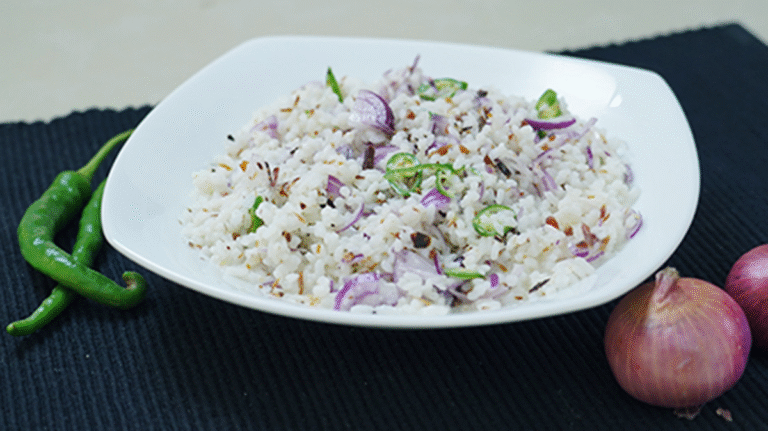
- Kapha-Pacifying Monodiet: For a deeper reset, one day a week, have a “monodiet” of Kichadi (also spelled Kitchari). This simple dish of basmati rice and mung dal, cooked with digestive spices and ghee, is incredibly easy to digest, allowing the body to redirect energy towards cleansing and healing instead of complex digestion.

Secret #3: Udvartana – The Herbal Powder Massage for Lymphatic Drainage
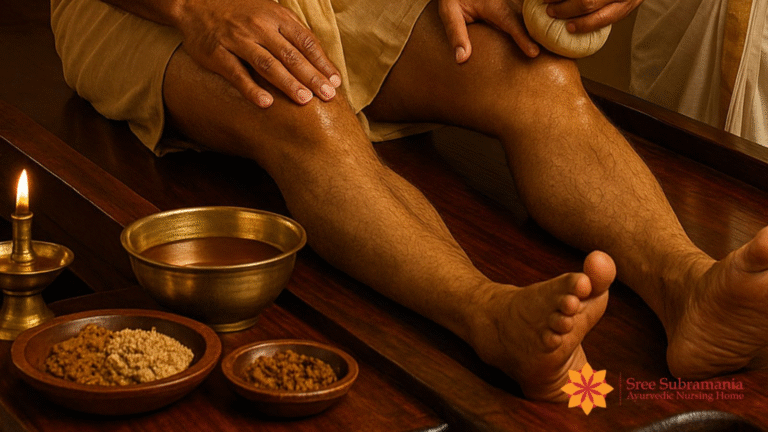
This is one of Ayurveda’s most powerful and unique tools for weight management. Udvartana is a deeply stimulating, dry massage performed with a specific powder made from raw, dried herbs and grains.
- How it Works: Unlike oil massages that are lubricating, Udvartana is performed in upward strokes on the body. The friction of the herbal powder:
- Exfoliates the skin and breaks down stubborn fat deposits (cellulite).
- Stimulates the lymphatic system, helping to flush out toxins and excess fluid.
- Increases blood circulation to the area, boosting local metabolism.
- The herbs themselves have fat-burning and Kapha-reducing properties.
- Common Herbs Used: Chickpea flour (besan), triphala powder, dried ginger, neem, and mustard seed powder.
- At-Home Version: You can create a simple version by mixing chickpea flour with a pinch of turmeric and dried ginger. In the shower, massage your damp skin in circular motions towards the heart before rinsing off.
Secret #4: Harness the Power of Ayurvedic Herbs (Dravyas)
Ayurveda has a rich pharmacopoeia of herbs that support weight loss by improving digestion, burning fat, and balancing Kapha.
- Triphala: This is the quintessential Ayurvedic formula. A blend of three fruits (Amalaki, Bibhitaki, Haritaki), it is not a laxative but a gentle bowel regulator and detoxifier. Taken at night, it cleanses the digestive tract and prepares it for the next day.
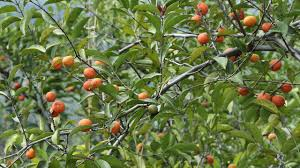
- Garcinia Cambogia (Goraka/ගොරකා in Sinhala): A staple in Sri Lankan cuisine and Ayurveda, this sour fruit is rich in Hydroxycitric Acid (HCA). Ayurvedically, its sour and heating properties help stimulate digestion and metabolism. It is believed to inhibit the conversion of carbohydrates into fat and suppress appetite.
- Guggul: This resin is a potent fat-burner and cholesterol regulator. It is highly heating and penetrating, making it excellent for scraping away Ama and clearing blocked channels. Always take Guggul under the guidance of an Ayurvedic practitioner.
- Punarnava: Translated as “renewer,” this herb is a powerful diuretic that helps reduce water retention and supports healthy kidney function, crucial for Kapha types.
Your Ayurvedic Weight Loss Diet & Lifestyle Blueprint
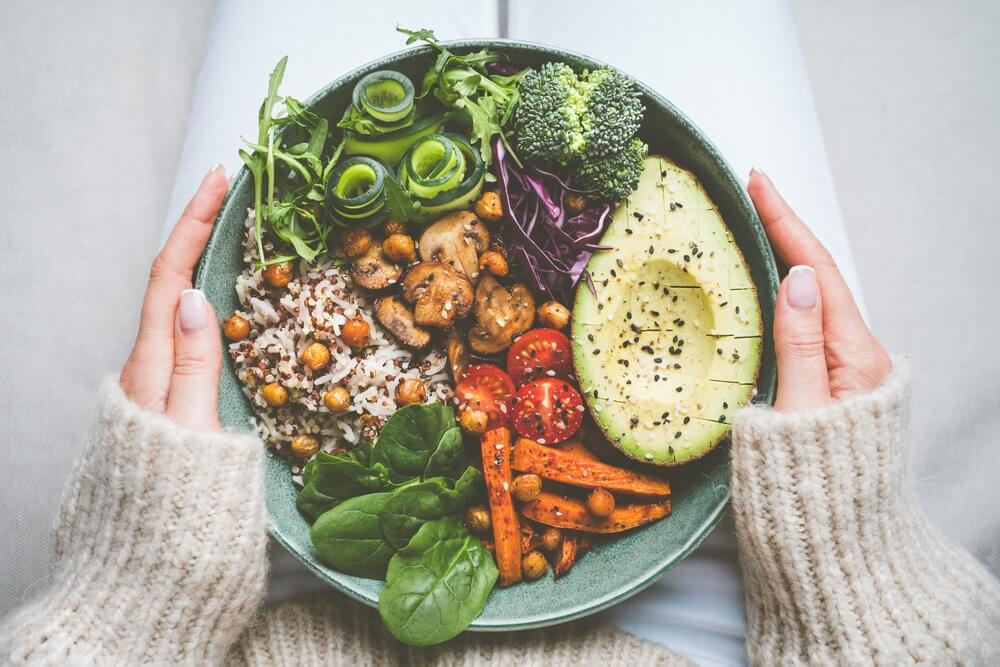
Foods to Favor (Light, Warm, Dry, Spicy):
- Grains: Barley, quinoa, millet, corn, rye. Limit wheat and white rice.
- Legumes: All legumes are excellent, especially mung beans.
- Vegetables: Go for leafy greens, broccoli, cauliflower, cabbage, asparagus, celery, and bell peppers. Most vegetables are great, but reduce sweet potatoes and tomatoes.
- Fruits: Prefer astringent fruits like apples, pears, and pomegranates. Reduce very sweet fruits like bananas, dates, and mangoes.
- Sweeteners: Raw honey is the best sweetener for Kapha as it is heating and scraping. Never cook honey, as it becomes toxic. Avoid sugar.
Lifestyle Practices to Adopt:
- Wake Up Early: Rise before 6 a.m. This is the time of day dominated by Vata, which is light and mobile, countering Kapha’s heaviness.
- Daily Exercise (No Excuses!): Kapha types need consistent, vigorous movement. A dynamic yoga sequence (Sun Salutations), brisk walking, jogging, dancing, or cycling are ideal. The best time is during the Kapha time of day, 6 a.m. to 10 a.m.
- Stay Mentally Active: Seek out new experiences, learn a new skill, and engage in stimulating conversations to counter Kapha’s tendency towards inertia.
- Wear Bright Colors: Incorporate stimulating colors like red, orange, and yellow into your wardrobe instead of Kapha-aggravating dark blues and whites.

The Final Word: A Shift in Perspective
The ultimate Ayurvedic secret is this: Weight loss is a side effect of creating balance. When you focus on kindling your Agni, eating according to your dosha, moving your body with joy, and cleansing your system with herbs and therapies, your body will naturally release the excess weight it has been holding onto for protection.
It’s a journey of self-care, not self-punishment. It invites you to listen to your body’s wisdom, nourish it with the right foods and routines, and ultimately, return to the vibrant, energetic, and naturally balanced person you are meant to be.
Disclaimer: This article is for informational purposes only and is not a substitute for professional medical advice, diagnosis, or treatment. Always seek the advice of your physician or a qualified Ayurvedic practitioner before starting any new herbal regimen or health program, especially if you have pre-existing health conditions or are taking medication.