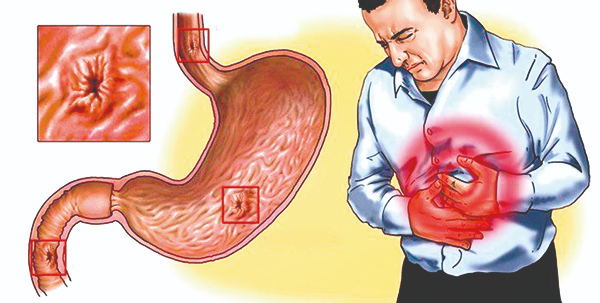
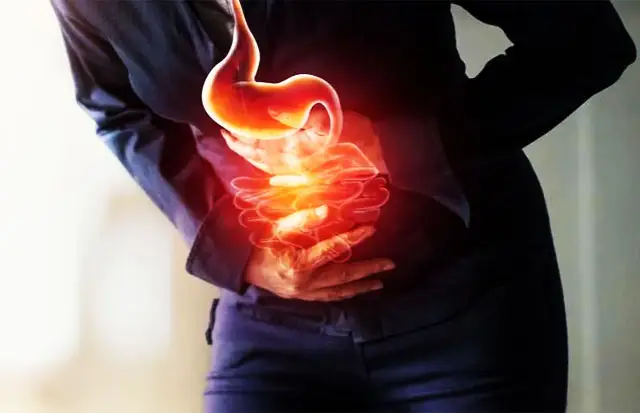
That familiar burning sensation in your upper abdomen, the bloating, the nausea, the feeling that a small, angry fire is raging in your stomach—if this is a regular occurrence for you, you are not alone. Gastritis, often colloquially referred to as “gastric” issues, is one of the most common digestive complaints worldwide, and it’s a trending health search topic for a simple reason: modern lifestyles are often its primary fuel.
While conventional medicine offers treatments to reduce stomach acid, they often don’t address the root cause. This is where the ancient, holistic wisdom of Ayurveda shines. Ayurveda doesn’t just see gastritis as an isolated problem; it views it as a clear sign of a deeper imbalance, specifically an aggravated Pitta dosha. This article will serve as your comprehensive guide to understanding gastritis from an Ayurvedic perspective and provide a practical, step-by-step diet plan to cool the internal fire and restore your digestive harmony.
Understanding the Fire Within: The Ayurvedic View of Gastritis
In Ayurveda, health is a state of balance between three fundamental energies or bio-humors, known as doshas: Vata (Air & Ether), Pitta (Fire & Water), and Kapha (Earth & Water). Each governs specific functions in the body.
Pitta dosha is the energy of transformation, metabolism, and digestion. It is hot, sharp, liquid, and acidic by nature. In a balanced state, Pitta is what allows you to digest food, metabolize experiences, and have sharp intellect. It is the “fire in the belly.”
Gastritis, known in Ayurvedic terms as “Amla Pitta” (which literally translates to ‘sour bile’ or ‘acidic Pitta’), occurs when this Pitta fire becomes excessive and imbalanced. This aggravation can be caused by:
- Dietary Factors: Excessive consumption of spicy, sour, fried, and fermented foods. Overly hot (in temperature) foods and drinks. Too much alcohol, coffee, or black tea.
- Lifestyle Factors: Chronic stress, anger, frustration, and jealousy (emotions linked to Pitta). Skipping meals, especially lunch, which is the main Pitta time of day. Overexposure to the sun and heat.
- Seasonal Factors: Late spring and summer are Pitta seasons, a time when this dosha is naturally more prone to imbalance.
When Pitta is aggravated, its hot, sharp, and acidic qualities increase, leading to inflammation of the stomach lining—the very definition of gastritis. Therefore, the treatment strategy is simple, yet profound: pacify Pitta.
The Core Principle: Soothe with Cooling, Nourishing Foods
The antidote to excess heat (Pitta) is cooling. The entire dietary approach for gastritis revolves around choosing foods that are sweet, bitter, and astringent in taste, and avoiding those that are pungent, sour, and salty. These tastes have a direct cooling and grounding effect on the body’s systems.
Let’s break this down into a practical, actionable listicle-style plan.
Your Ayurvedic Diet Plan for Gastritis: What to Eat & What to Avoid
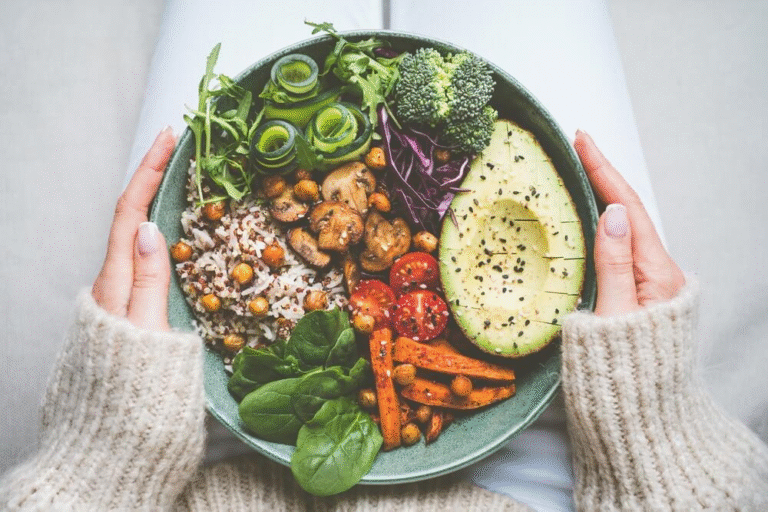
Foods to Embrace: The Pitta-Pacifying Pantry
Incorporate these cooling, soothing, and easy-to-digest foods to help extinguish the digestive fire and promote healing of the stomach lining.
1. Grains & Carbohydrates:
- White Basmati Rice: Light, easy to digest, and cooling. Preferable over brown rice during an acute flare-up, as brown rice can be harder to digest.
- Barley (Barli): A classic Ayurvedic grain for cooling Pitta and reducing inflammation. Can be made into a porridge or soup.
- Oats (Cooked): Soothing, soft, and nourishing. Avoid instant, flavored varieties.
- Quinoa: A tridoshic grain that is generally light and balancing.
2. Fruits:
- Sweet, Ripe Fruits: Choose fully ripe, sweet fruits. Examples include:
- Sweet Grapes
- Coconuts & Coconut Water: Extremely cooling and hydrating. Fresh coconut water is a natural electrolyte balancer.
- Pomegranates (Delum)
- Mangoes (Ripe)
- Sweet Berries
- Melons (Note: Eat melons alone, not with other foods, for best digestion)
- Amla (Indian Gooseberry/නෙලි): A superstar for Pitta. It is uniquely sour yet has a post-digestive cooling effect. It is a renowned rejuvenator and helps heal the digestive tract. Amla juice or powder is highly recommended.
3. Vegetables:
- Asparagus
- Broccoli
- Cabbage (Cooked)
- Cucumber: Exceptionally cooling. Have it as a snack or in raitas.
- Green Beans
- Leafy Greens: Especially kale, spinach, and Swiss chard (cooked, not raw).
- Sweet Potatoes
- Zucchini
- Okra (Bandakka)
- Pumpkin (Wattakka)
4. Dairy & Alternatives:
- Ghee (Clarified Butter): The ultimate Pitta pacifier. Ghee is cooling, lubricating, and promotes healing of the gut. Use a teaspoon in your cooking.
- Milk & Butter Milk (Moru/මොරු): Whole, organic milk is considered cooling. For a even more digestible and cooling option, traditional buttermilk (not the cultured, commercial kind) is excellent. It can be seasoned with a pinch of cumin and coriander powder.
- Coconut Milk
5. Legumes, Nuts & Seeds:
- Mung Beans (Mung/මුං): The king of beans in Ayurveda. Mung dal (split yellow mung beans) is tridoshic, incredibly easy to digest, and deeply nourishing without aggravating Pitta. A simple kicharee (mung dal and rice porridge) is the go-to healing meal.
- Tofu
- Sunflower & Pumpkin Seeds: In moderation.
- Almonds (Soaked and Peeled): Soaking overnight makes them more digestible and less heating.
6. Herbs, Spices & Drinks:
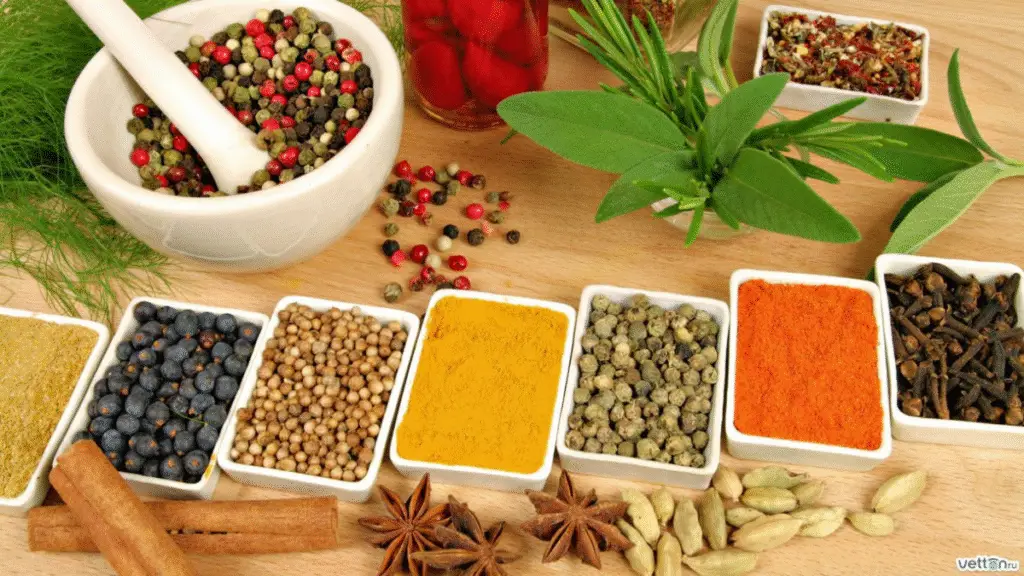
- Coriander (Kottamalli/කොත්තමල්ලි): Fresh leaves and seeds are highly cooling.
- Fennel (Maduru/මදුරු): A wonderful after-meal digestive that cools the stomach.
- Cardamom (Enasal/ඇනසල්)
- Turmeric (Kaha/කහ): A powerful anti-inflammatory.
- Mint (Pudina)
- Heel Bath (Bitter Gourd/කරවිල): While extremely bitter, it is a potent blood purifier and Pitta reducer. A small amount of juice can be very beneficial.
- Cooling Teas: Fennel, coriander, and chrysanthemum tea.
- Aloe Vera Juice (Pure, inner leaf gel): Soothes and heals the entire digestive tract.

Foods to Strictly Avoid: Fuel for the Fire
To allow your stomach to heal, it is critical to eliminate these heating, aggravating foods and substances.
- Hot & Spicy Foods: Chilies, hot peppers, raw onions, garlic (in large quantities), and heavy-handed spices like cayenne and mustard seeds.
- Sour Foods: Vinegar, pickles, fermented foods, sour cream, yogurt (in excess), and unripe sour fruits like lemons and limes. (Note: A small amount of lime juice in cooking may be tolerated by some once healed).
- Salty Foods: Chips, processed snacks, and excessive table salt.
- Fried & Oily Foods: Greasy foods are heavy and heating, directly aggravating Pitta.
- Fermented Foods: While often healthy for others, they can be too acidic for a sensitive, Pitta-aggravated stomach. This includes most commercial bread (yeast), alcohol, and strong cheeses.
- Caffeine: Coffee and black tea are heating and stimulating, often triggering acid production.
- Carbonated Drinks: The carbonation can increase pressure and acidity in the stomach.
- Red Meat & Seafood: These are very heating and difficult to digest. Stick to lighter proteins like chicken, turkey, or plant-based options like mung and tofu.
- Tomatoes & Eggplant: These nightshades can be problematic for some with sensitive digestion.
- Alcohol & Tobacco: Major Pitta aggravators.
A Sample One-Day Pitta-Soothing Meal Plan
- Upon Waking: A glass of room-temperature water. You can soak 1 tsp of fennel seeds in the water overnight for an extra cooling effect.
- Breakfast: A bowl of cooked oatmeal or barley porridge, sweetened with a little maple syrup and topped with soaked, peeled almonds and sweet berries.
- Lunch (The Main Meal): A generous bowl of Kicharee (made with white basmati rice, mung dal, ghee, and mild spices like turmeric, cumin, and coriander). Serve with a side of steamed greens (like spinach or kale) and a small cup of moru (buttermilk).
- Mid-Afternoon: A glass of cool coconut water or a cup of fennel tea.
- Dinner (A Lighter Meal): Steamed vegetables (zucchini, sweet potato, green beans) with a small portion of tofu or a cup of simple mung bean soup.
- Before Bed: A cup of warm milk with a pinch of cardamom and a teaspoon of ghee. This is deeply soothing and promotes sound sleep.
Lifestyle Tips to Complement Your Diet
- Eat in a Peaceful Environment: Do not eat while working, watching TV, or arguing. Stress is a direct trigger for Pitta.
- Don’t Skip Meals: Eat three regular meals at the same time each day. Never skip lunch, as the Pitta time from 10 am to 2 pm is when your digestive fire is strongest.
- Stay Hydrated with Cool (not ice-cold) Water: Sip water throughout the day.
- Practice Cooling Pranayama: Sheetali (Cooling Breath) and Sheetkari (Hissing Breath) are excellent for instantly cooling the body and mind.
- Walk in Nature, Especially Near Water: Moonlight walks are particularly calming for Pitta.
A Final Word of Caution
This dietary guide is designed for managing common gastritis linked to lifestyle and diet. If your symptoms are severe, persistent, or accompanied by weight loss, vomiting, or blood in the stool, it is imperative to consult a healthcare professional to rule out more serious conditions.
Ayurveda offers a gentle, time-tested path to healing. By understanding the nature of your imbalance and making conscious, cooling choices, you can calm the internal fire of Amla Pitta and return to a state of comfortable, vibrant digestive health.
Disclaimer: This article is for informational purposes only and is not a substitute for professional medical advice, diagnosis, or treatment. Panchakarma is a powerful therapeutic process and must be undertaken under the direct supervision of a qualified Ayurvedic physician. Always consult with your primary healthcare provider before beginning any new health regimen.