That familiar ache in the knees when you climb the stairs, the stiffness in your hips as you rise from a chair, the sharp protest from your shoulders when you reach for something—if this sounds like your daily reality, you are not alone. Joint pain, known in Ayurveda as Sandhi Roga, is one of the most common afflictions, particularly as we age. It can feel like a life sentence to a world of diminishing movement and increasing discomfort.
While modern medicine often focuses on managing the symptoms, Ayurveda delves deeper, seeking to understand and treat the root cause of the pain. From an Ayurvedic perspective, joint pain is not an inevitable part of aging; it is a sign of a significant imbalance, primarily in the Vata Dosha. The good news is that this ancient science offers a treasure trove of gentle, yet profoundly effective, therapies and remedies that don’t just mask the pain, but work to restore lubrication, reduce inflammation, and bring the body back into a state of comfortable movement.
This article will serve as your guide to the most powerful Ayurvedic solutions for managing Sandhi Roga, offering practical hope for those seeking natural relief.
Understanding the Root Cause: The Ayurvedic View of Joint Pain
Ayurveda teaches that our joints (Sandhi) are spaces in the body governed by Vata Dosha, which is composed of the Air and Ether elements. Vata is dry, light, cold, rough, and mobile. For our joints to function smoothly, they require the opposing qualities: they need to be well-lubricated, warm, and stable.
Sandhi Roga occurs when Vata becomes aggravated and accumulates in the joints. This can happen due to:
- Age: Natural Vata accumulation increases with age.
- Diet: Consuming too many dry, cold, light, or raw foods; irregular eating habits.
- Lifestyle: Over-exertion, lack of proper rest, excessive travel, and a sedentary routine.
- Climate: Exposure to cold, windy, and dry weather.
- Incompatible Food Combinations: Such as having fruit with milk or fish with dairy.
When Vata is imbalanced, it dries up the natural lubricating fluid in the joints, known as Shleshak Kapha. Think of a hinge on a door. Without oil, it becomes rusty, stiff, and starts to creak and grate. This is exactly what happens in our joints. The resulting dryness leads to friction, inflammation, pain, stiffness, and eventually, the characteristic cracking and popping sounds. In more severe cases, this Vata imbalance can also disturb local Pitta (causing heat and inflammation) and Kapha (causing swelling and congestion).
Therefore, the entire therapeutic approach in Ayurveda is to pacify Vata Dosha by introducing its opposite qualities: warm, heavy, oily, and smooth.
Powerful Ayurvedic Therapies for Joint Pain Relief
For chronic joint pain, professional Ayurvedic treatments are unparalleled. They are designed to deliver deep, sustained relief.
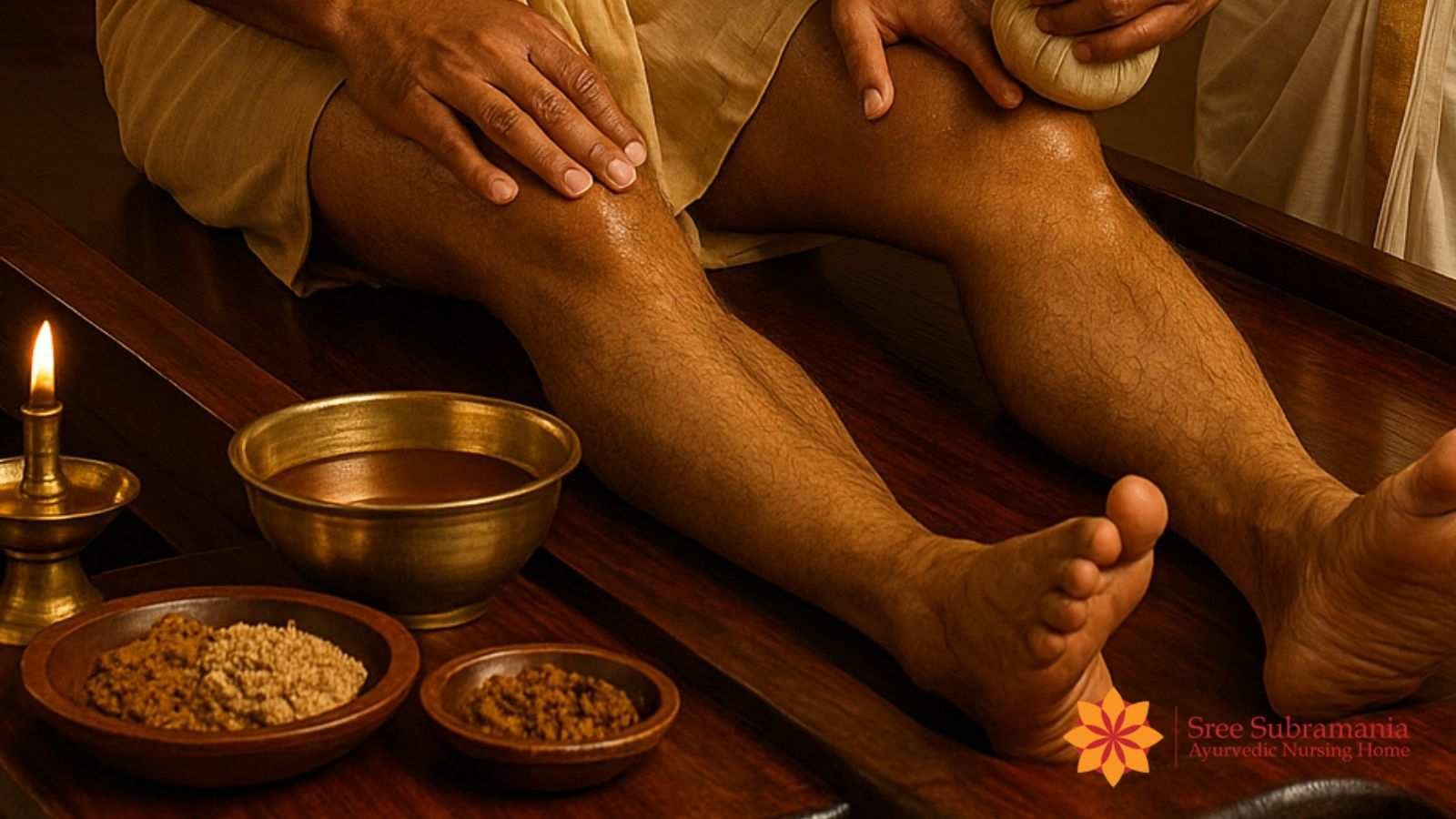
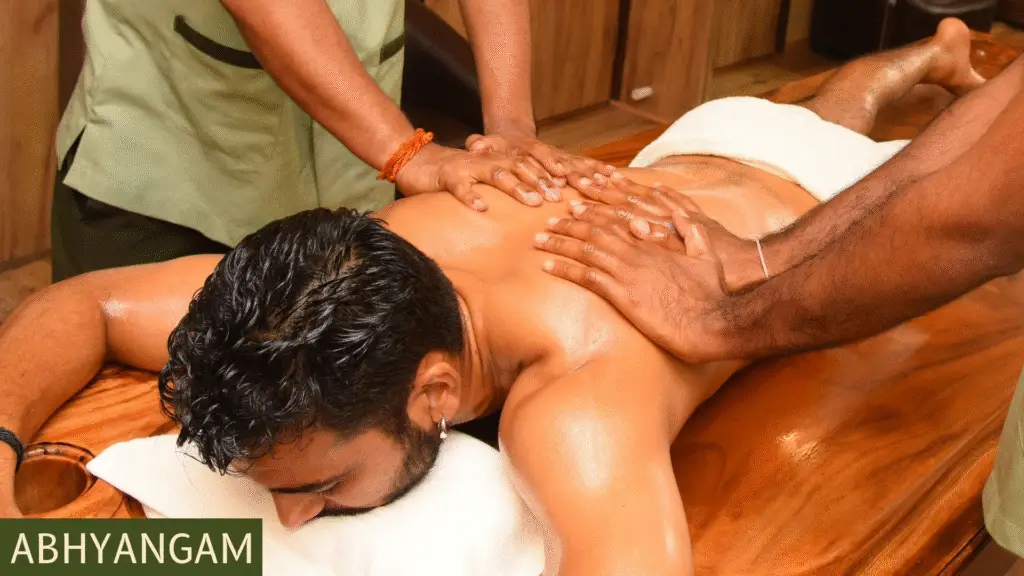
1. Abhyanga (Therapeutic Full-Body Oil Massage)
Abhyanga is the cornerstone of Ayurvedic self-care and clinical treatment for Vata disorders.
- What it is: A synchronized, full-body massage performed by one or two therapists using generous amounts of warm, medicated oil.
- How it helps Joint Pain:
- Lubrication: The oil penetrates deep into the dermal layers, nourishing the tissues and restoring lubrication to the joints from the outside in.
- Vata Reduction: The slow, rhythmic strokes calm the erratic, mobile nature of Vata, grounding the nervous system.
- Toxin Removal: It stimulates the lymphatic system, helping to flush out inflammatory toxins (Ama) from the tissues surrounding the joints.
- Improved Circulation: The massage increases blood flow to the joints, delivering oxygen and nutrients while carrying away waste products.
2. Pizhichil (The “Royal Oil Bath”)
If Abhyanga is a massage, Pizhichil is an intensive rejuvenation. It is one of the most potent treatments for severe rheumatic conditions and joint degeneration.
- What it is: The patient lies on a special wooden table while two therapists continuously pour warm, medicated oil in a steady stream all over the body, while simultaneously giving a gentle, synchronized massage.
- How it helps Joint Pain:
- Deep Penetration: The continuous stream of warm oil ensures that the therapeutic properties of the herbs penetrate to the deepest tissue layers, bones, and joints.
- Sarvanga Snehana: It provides oleation (oiling) to the entire body simultaneously, ensuring no area is missed.
- Muscle Relaxation: The warmth and oil work synergistically to release deep-seated muscle spasms and tension that often accompany joint pain.
- Rejuvenation: It is a primary Rasayana (rejuvenation) therapy that helps rebuild damaged tissues.
3. Janu Basti (Localized Oil Pooling for Knees)
This is a highly specialized and incredibly effective treatment for knee pain specifically.
- What it is: A ring of dough is placed around the affected knee. This creates a reservoir, which is then filled with warm, medicated oil. The oil is kept warm for a duration of 30-45 minutes, allowing for intense, localized penetration.
- How it helps Joint Pain:
- Focused Therapy: It delivers a concentrated dose of healing herbs and oils directly to the most affected joint.
- Restores Cartilage: The sustained warmth and oleation are believed to help nourish and rejuvenate the cartilage.
- Reduces Inflammation & Stiffness: It dramatically reduces pain, swelling, and stiffness in the knee joint, often providing immediate relief.
4. Swedana (Herbal Steam Therapy)
Swedana is almost always performed immediately after Abhyanga or Pizhichil.
- What it is: The body is exposed to medicated steam, either in a steam box or with localized steam packs.
- How it helps Joint Pain:
- Opens Channels: The heat opens the millions of channels (srotas) in the body, allowing the medicated oils to penetrate even deeper.
- Expels Toxins: It promotes sweating, which helps to expel the liquefied toxins (Ama) that have been loosened by the oil massage.
- Relieves Stiffness: The heat is profoundly effective at relieving muscular and joint stiffness.
Common Ayurvedic Oils for Joint Pain (Sandhi Mardana Tailas)
The choice of oil is critical, as each is infused with specific herbs to target pain and inflammation.
- Mahanarayan Taila: Perhaps the most famous oil for joint and muscular pain. It contains a blend of herbs like Bala and Ashwagandha that are deeply nourishing and Vata-pacifying. It is excellent for all types of arthritis, stiffness, and neuralgic pain.
- Dhanwantharam Taila: A classic, multi-purpose oil that is highly beneficial for neuromuscular disorders and joint pain. It is particularly balancing for Vata and is often used in Pizhichil and Abhyanga for its rejuvenating properties.
- Ksheerabala Taila: This oil is processed with milk and is exceptionally nourishing and calming for the nervous system. It is ideal for sharp, shooting, nervous pain that accompanies Vata imbalance, as well as for chronic inflammation.
- Pinda Taila / Sahacharadi Taila: These are strong, penetrating oils specifically formulated for the lower back, sciatica, and leg pain. They help relieve pain and strengthen the bones and muscles.
- Bala Taila: As the name suggests, its main ingredient is Bala (Sida cordifolia), which means “strength.” It is a premier tonic for muscles, bones, and joints, providing strength and stability.
Lifestyle and Dietary Tips to Support Healing
Therapies and oils work best when supported by daily habits.
- Stay Warm: Keep your joints covered and warm. Avoid cold, damp environments.
- Gentle, Regular Exercise: Practice gentle yoga, swimming, or walking. Avoid high-impact activities that jar the joints.
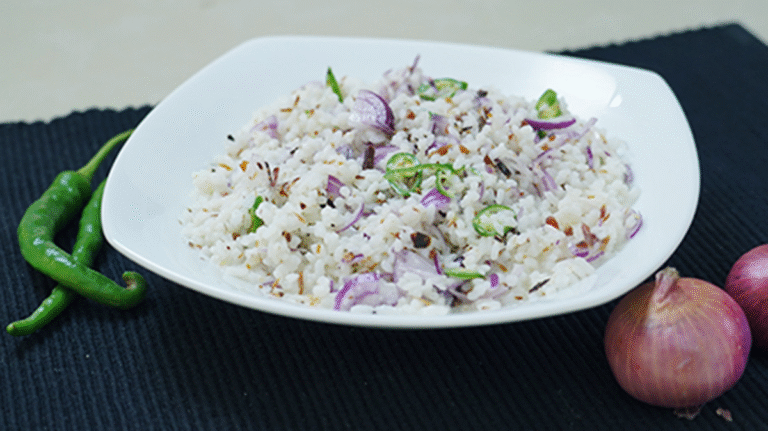
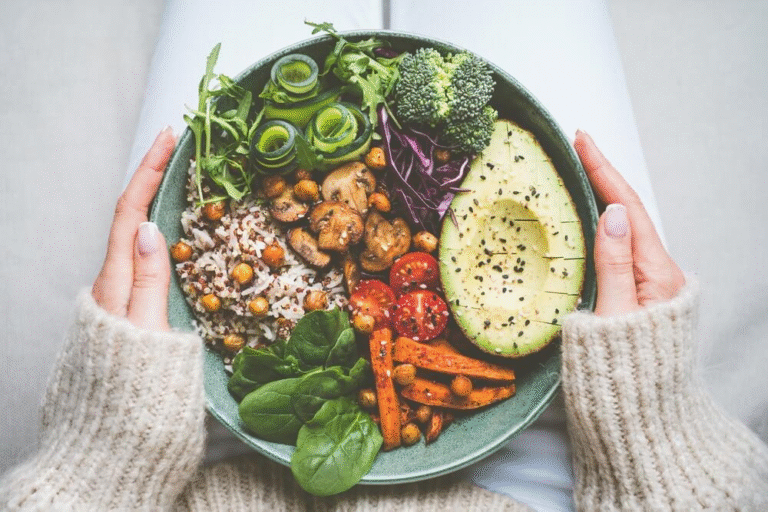
- Follow a Vata-Pacifying Diet: Favor warm, cooked, moist, and slightly oily foods. Soups, stews, and well-cooked grains are excellent. Avoid dry crackers, cold salads, and raw foods.
- Stay Hydrated with Warm Liquids: Sip on warm water, ginger tea, or cumin-coriander-fennel tea throughout the day.
- Incorporate Anti-inflammatory Spices: Turmeric, ginger, and garlic should be staples in your cooking.
A Final Word of Hope
Living with chronic joint pain can make you feel like a prisoner in your own body. However, the Ayurvedic approach offers a path to liberation. It is a compassionate system that understands pain is a message, not a life sentence. By pacifying Vata, nourishing the tissues, and cleansing the body of toxins, these time-tested therapies and oils can help you silence that message and rediscover the joy of fluid, pain-free movement.
Disclaimer: This article is for informational purposes only and is not a substitute for professional medical advice, diagnosis, or treatment. The therapies described, especially Pizhichil and Janu Basti, are powerful medical procedures that must be administered by a trained and certified Ayurvedic practitioner. Always consult with your healthcare provider and a qualified Ayurvedic physician before starting any new treatment for joint pain, especially if you have been diagnosed with a specific condition like rheumatoid arthritis or osteoporosis.