In the bustling world of wellness, terms like “probiotic,” “fermented,” and “gut health” have become the holy grail. We eagerly sip kombucha, fork into kimchi, and swallow capsules filled with billions of bacteria, all in the name of nurturing our microbiome. But what if the ultimate gut-friendly superfood wasn’t found in a trendy health store, but has been quietly fermenting in Sri Lankan kitchens for centuries?
Enter Heel Bath (හීල් බත්), one of the most humble, yet profoundly wise, dishes in the Sri Lankan culinary repertoire. This simple preparation of leftover rice soaked overnight in water is far more than a way to avoid waste. It is a culinary tradition steeped in Ayurvedic wisdom, a potent digestive aid, and quite possibly, Sri Lanka’s original and most accessible probiotic superfood.
Before you dismiss it as mere “old rice,” let’s delve into the fascinating science and tradition behind this everyday elixir.
What Exactly is Heel Bath?
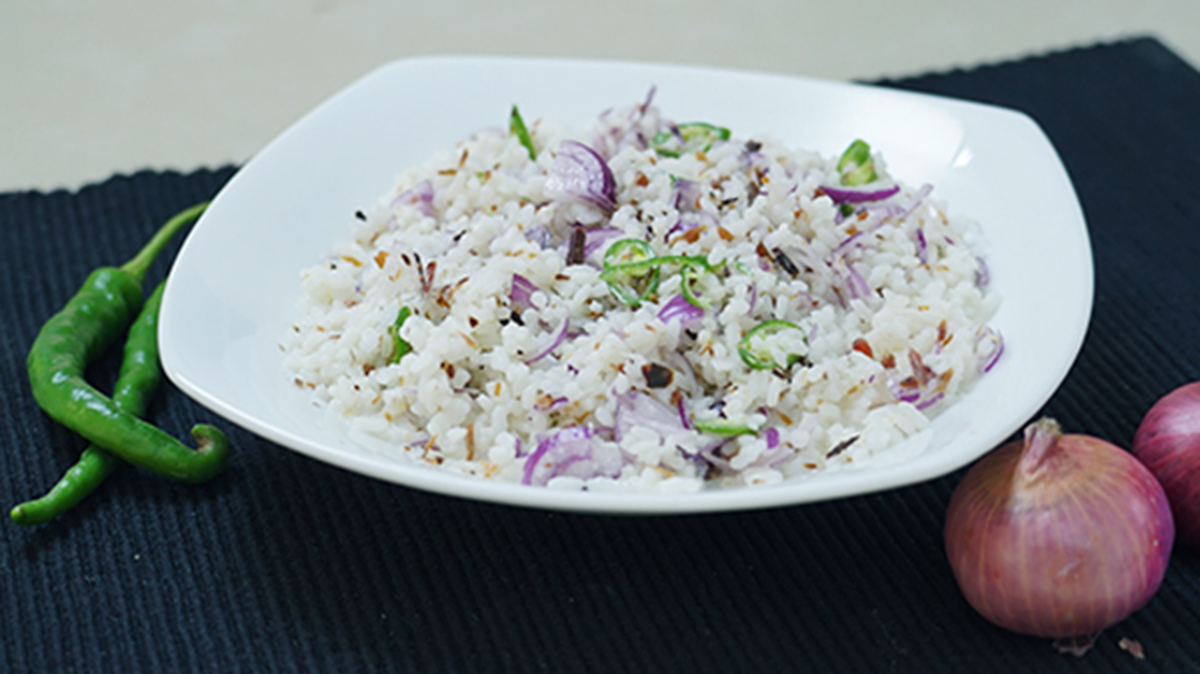
Heel Bath is the ultimate example of “waste not, want not.” It is prepared by taking cooked rice (traditionally nutritious red rice, suwandel or kekulu), and covering it with pure, cool water before leaving it to stand at room temperature overnight.
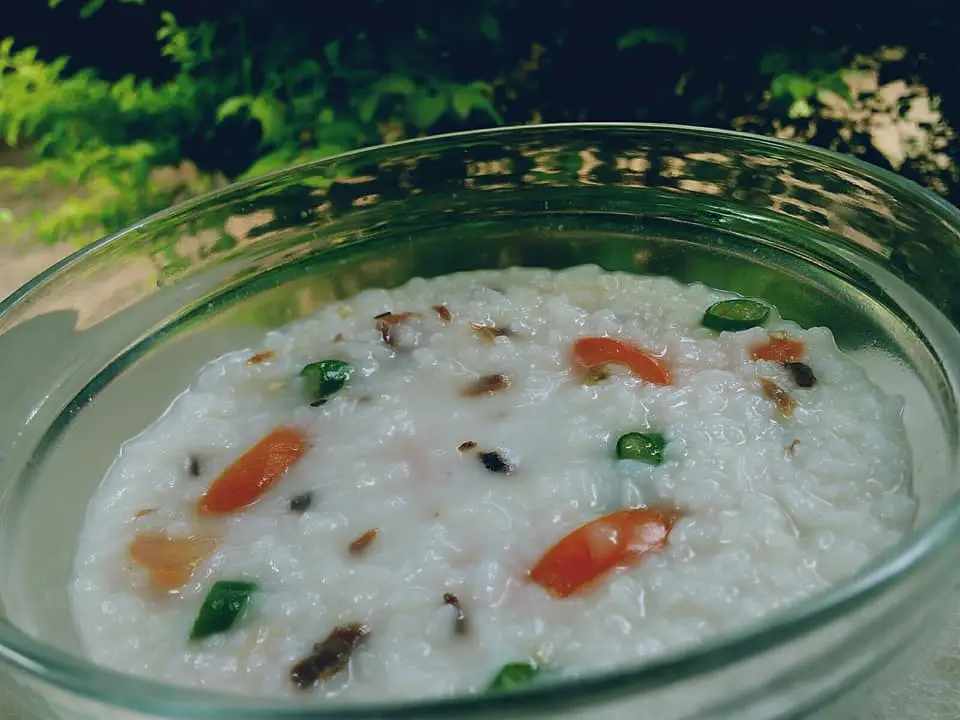
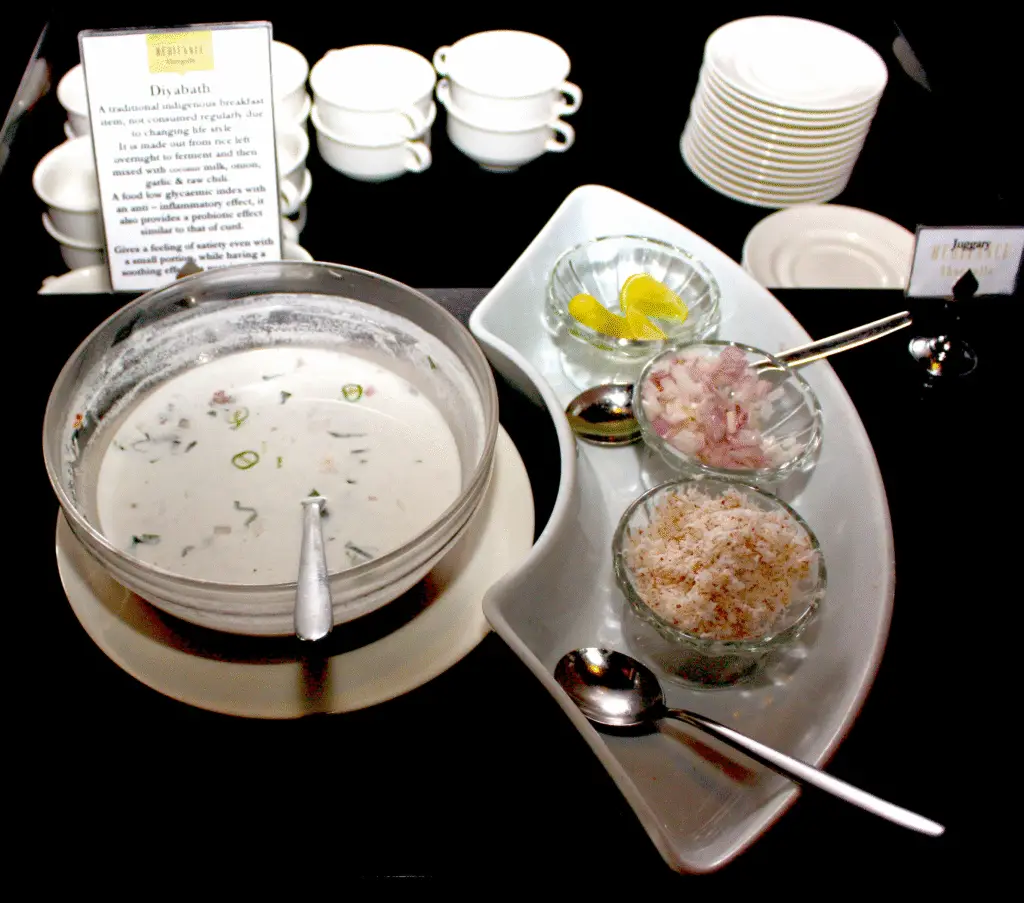
By the next day, a transformation occurs. The rice softens further, the water becomes slightly cloudy and develops a distinctive, subtly tangy flavor. This is not spoiled food; it is fermented food. It is traditionally eaten for breakfast, often seasoned simply with a pinch of salt, a squeeze of lime, and sometimes accompanied by a fresh lunu miris (a paste of red onion, chili, salt, and lime) or a piece of jaggery.

The Science of Fermentation: Sri Lanka’s Original Probiotic Brew
The process that creates Heel Bath is a classic, wild fermentation. The warm, cooked rice and the water create the perfect environment for the naturally occurring lactic acid bacteria (LAB) and yeasts present in the air and on the rice itself to proliferate.
During the 8-12 hour fermentation period, these beneficial microbes begin to:
- Pre-digest the Rice: The bacteria break down the complex carbohydrates and proteins in the rice, making the nutrients more bioavailable and easier for your body to absorb.
- Produce Beneficial Compounds: As they feed, these microbes produce organic acids (like lactic acid), vitamins (particularly B vitamins), and various strains of probiotics.
This is what transforms Heel Bath from simple leftover rice into a living, functional food. While the specific microbial profile hasn’t been as extensively studied as Korean kimchi or Japanese natto, the principle is identical: harnessing the power of fermentation for health.
Ayurvedic Wisdom: The “Cooling” Food for Digestive Fire
Ayurveda provides a parallel, equally compelling explanation for the benefits of Heel Bath. From this ancient perspective, Heel Bath is a supremely cooling and light food.
- Pacifies Pitta Dosha: Its cooling nature is the perfect antidote to excess Pitta (the fire and water element), which governs digestion and metabolism. For those suffering from “acid stomach,” heartburn, or inflammatory conditions, Heel Bath is incredibly soothing.
- Kindles Agni without Overheating: Ayurveda emphasizes strong digestive fire (Agni). While it needs to be strong, it can easily become aggravated by hot, spicy, and heavy foods. Heel Bath provides easily accessible energy and nutrients without stoking the digestive flames excessively, making it ideal for breakfast—a time when Agni is still building.
- Reduces Ama (Toxins): Because it is pre-digested by fermentation, it places minimal burden on the digestive system. This allows the body to focus on clearing out accumulated toxins (Ama) rather than struggling to break down a heavy meal.
The combination of these Ayurvedic properties makes it an excellent food for convalescents, the elderly, children, and anyone with a sensitive digestive system.
The Multitude of Health Benefits: More Than Just a Light Meal
When you combine the modern understanding of fermentation with ancient Ayurvedic principles, a powerful picture of health benefits emerges:
- Supercharges Gut Health: As a potential source of natural probiotics, it helps populate the gut with beneficial bacteria, crucial for everything from nutrient absorption and immune function to mental health.
- Improves Digestion & Reduces Bloating: The pre-digestion of starches means your body has to do less work. This can significantly reduce gas, bloating, and discomfort after eating.
- Enhances Nutrient Absorption: The fermentation process can increase the bioavailability of minerals like iron, zinc, and calcium present in the rice.
- A Natural Energy Booster: The easy-to-access carbohydrates and the production of B vitamins during fermentation provide a clean, sustained energy release without the crash associated with sugary breakfasts.
- Hydrating and Alkalizing: The water content and the lactic acid produced can have a gentle alkalizing effect on the body, helping to balance the acidity caused by a modern diet.
- Extremely Economical and Sustainable: It is the epitome of zero-waste cooking, honoring the effort and resources that went into growing the rice.
How to Prepare and Enjoy Traditional Heel Bath
Preparing Heel Bath is an art of simplicity, but food safety is paramount.
Traditional Recipe:
- Ingredients: Leftover cooked red rice (or white rice), pure drinking water, salt to taste.
- Method:
- Place the leftover rice in a clean, non-metallic bowl (clay, glass, or ceramic are best).
- Add enough cool water to completely submerge the rice by about an inch.
- Cover the bowl with a clean cloth or plate and leave it in a cool, safe place in your kitchen for 8-12 hours. (In a hot climate, 8 hours is often sufficient).
- In the morning, the rice will be softer and the water slightly tangy. Drain off any excess water if desired.
- Season with a pinch of salt, a squeeze of lime, and enjoy.
Classic Accompaniments:
- Lunu Miris: The sharp, spicy kick of fresh onion and chili relish perfectly cuts through the mild tang of the Heel Bath.
- A Piece of Jaggery: The combination of sweet jaggery with the sour Heel Bath is a classic balancing act of tastes.
- A Fresh Green Chili and Salt: For the simplest, most traditional experience.
A Word of Caution: Safety First
Because this is a wild fermentation at room temperature, it’s crucial to use your senses. If the Heel Bath smells unpleasantly sour, foul, or has any signs of mold, discard it immediately. Always use clean utensils and bowls to prevent the introduction of harmful bacteria. If you have a compromised immune system, consult with a doctor before consuming traditionally fermented foods.
Conclusion: A Timeless Tradition for a Modern World
Heel Bath is a powerful reminder that profound wisdom often resides in the simplest of traditions. It is a food that speaks to sustainability, gut health, and digestive harmony long before these became global buzzwords.
In a world searching for the next superfood, we need only look back to our own kitchens, to the wisdom of our grandparents, who understood that true wellness begins in the gut. By embracing Heel Bath, we are not just eating a meal; we are partaking in a ritual of health, a testament to the timeless, intuitive intelligence of Hela culture.
Disclaimer: This article is for informational purposes only and is not a substitute for professional medical advice, diagnosis, or treatment. The fermentation process described involves leaving food at room temperature, which carries a risk of pathogenic bacterial growth if not done correctly. Always use clean equipment and trusted water sources. If you are pregnant, immunocompromised, or have specific health concerns, please consult with a healthcare provider before consuming traditionally fermented foods like Heel Bath.