In an era where chronic diseases are on the rise, the search for natural, effective solutions has never been more urgent. Nowhere is this truer than in Sri Lanka, where diabetes mellitus has become a pressing public health concern, affecting millions and placing a significant burden on the healthcare system. Amidst this modern health crisis, a powerful answer has been growing in the island’s ancient forests for centuries: Kothala Himbutu (Salacia reticulata).
This unassuming climbing shrub, deeply rooted in Sri Lanka’s traditional Ayurvedic medicine, is now stepping into the global spotlight, backed by a growing body of scientific evidence. If you or a loved one are among the countless individuals seeking natural ways to manage blood sugar levels, the story of Kothala Himbutu is one you need to hear. This isn’t just a folk remedy; it’s a testament to the profound wisdom of nature, offering a complementary approach to a modern-day problem.
Understanding the Enemy: The Diabetes Epidemic in Sri Lanka
Before we delve into the solution, it’s crucial to understand the problem. Diabetes, particularly Type 2 diabetes, is characterized by the body’s inability to properly use insulin, leading to elevated blood glucose (sugar) levels. Left unmanaged, it can lead to devastating complications, including heart disease, stroke, kidney failure, blindness, and nerve damage.
In Sri Lanka, the numbers are alarming. The International Diabetes Federation has consistently highlighted the country’s rising diabetic population. Factors such as genetic predisposition, urbanization, sedentary lifestyles, and dietary shifts towards processed foods and sugars have created a perfect storm. This has fueled a high-intent search for alternatives—people are actively looking beyond conventional pharmaceuticals for supportive, natural, and accessible options. This is precisely where Kothala Himbutu enters the picture.
What Exactly is Kothala Himbutu?
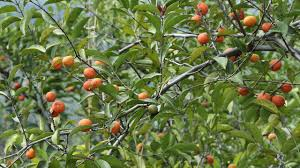
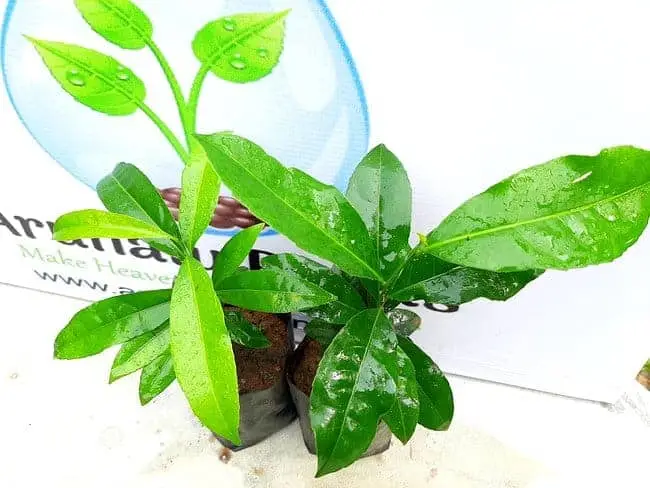
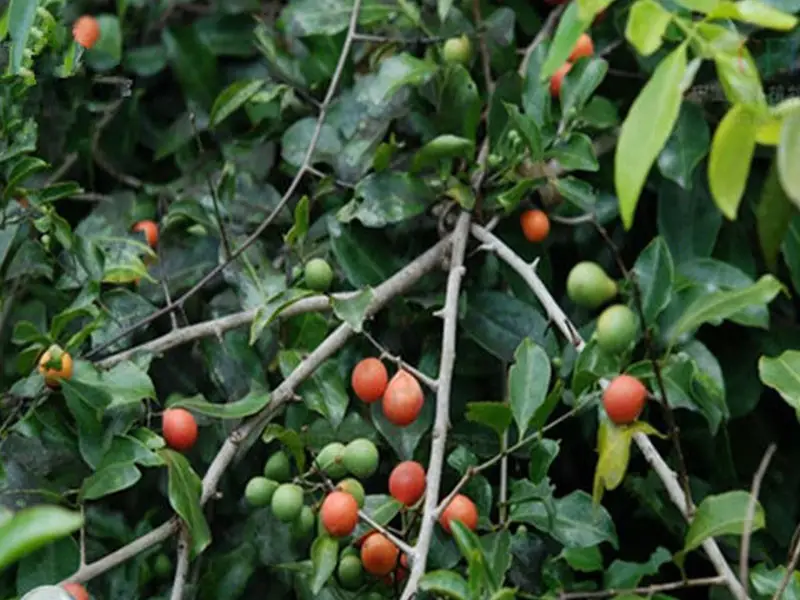
Kothala Himbutu, known scientifically as Salacia reticulata, is a woody, climbing plant native to the tropical forests of Sri Lanka and parts of India. For generations, local Ayurveda physicians (vedamahatthayas) have harnessed the power of its root and stems to treat a condition they described as “Madhumeha” or “honey urine”—what we now know as diabetes.
The plant itself is not particularly conspicuous, but its therapeutic potential is immense. In Ayurveda, it is classified as a “Rasayana” (rejuvenator) and is prized for its bitter, astringent taste and its cooling potency. It’s not used as a food but as a potent medicinal preparation, most commonly brewed into a herbal tea or decoction.
The Science Behind the Miracle: How Does Kothala Himbutu Work?
The traditional use of Kothala Himbutu is compelling, but its rise to trending status is largely due to modern science validating these ancient claims. Researchers around the world have turned their attention to this plant, and their findings are remarkable. The primary mechanisms through which Kothala Himbutu helps manage blood sugar are:
1. Inhibition of Carbohydrate-Digesting Enzymes (Alpha-Glucosidase Inhibition)
This is perhaps its most well-documented and powerful action. After we eat a meal rich in carbohydrates (like rice, bread, or sugar), our body relies on enzymes in the small intestine, primarily alpha-glucosidase, to break down complex carbs into simple sugars like glucose. These sugars are then absorbed into the bloodstream.
The active compounds in Kothala Himbutu, such as salacinol, kotalanol, and mangiferin, act as natural alpha-glucosidase inhibitors. They competitively bind to these enzymes, effectively putting a “lock” on them. When the enzymes are inhibited, the breakdown of carbohydrates is slowed down significantly. This results in a much slower and more gradual release of glucose into the bloodstream, preventing the sharp, dangerous spikes in blood sugar that occur after a meal.
2. Enhancement of Insulin Sensitivity
In Type 2 diabetes, the body’s cells become resistant to the effects of insulin, the hormone that tells cells to absorb glucose. Think of it as the cell’s “lock” becoming rusty; insulin (the “key”) has a hard time opening it. Studies suggest that compounds in Kothala Himbutu may help “clean the rust off the lock,” improving insulin sensitivity. This means the body’s own insulin becomes more effective at moving glucose from the blood into the cells, where it’s used for energy.
3. Potential for Supporting Weight Management
Obesity is a major risk factor for diabetes. Interestingly, some research indicates that Kothala Himbutu may also aid in weight management. By slowing carbohydrate absorption, it can increase the feeling of fullness (satiety) after meals and reduce overall calorie intake. Furthermore, some animal studies have suggested it may inhibit the formation of new fat cells, though more human trials are needed in this area.
How to Use Kothala Himbutu: Traditional Preparations and Modern Considerations
The most common and traditional way to use Kothala Himbutu is by preparing a herbal tea or decoction.
Traditional Kothala Himbutu Tea Recipe:
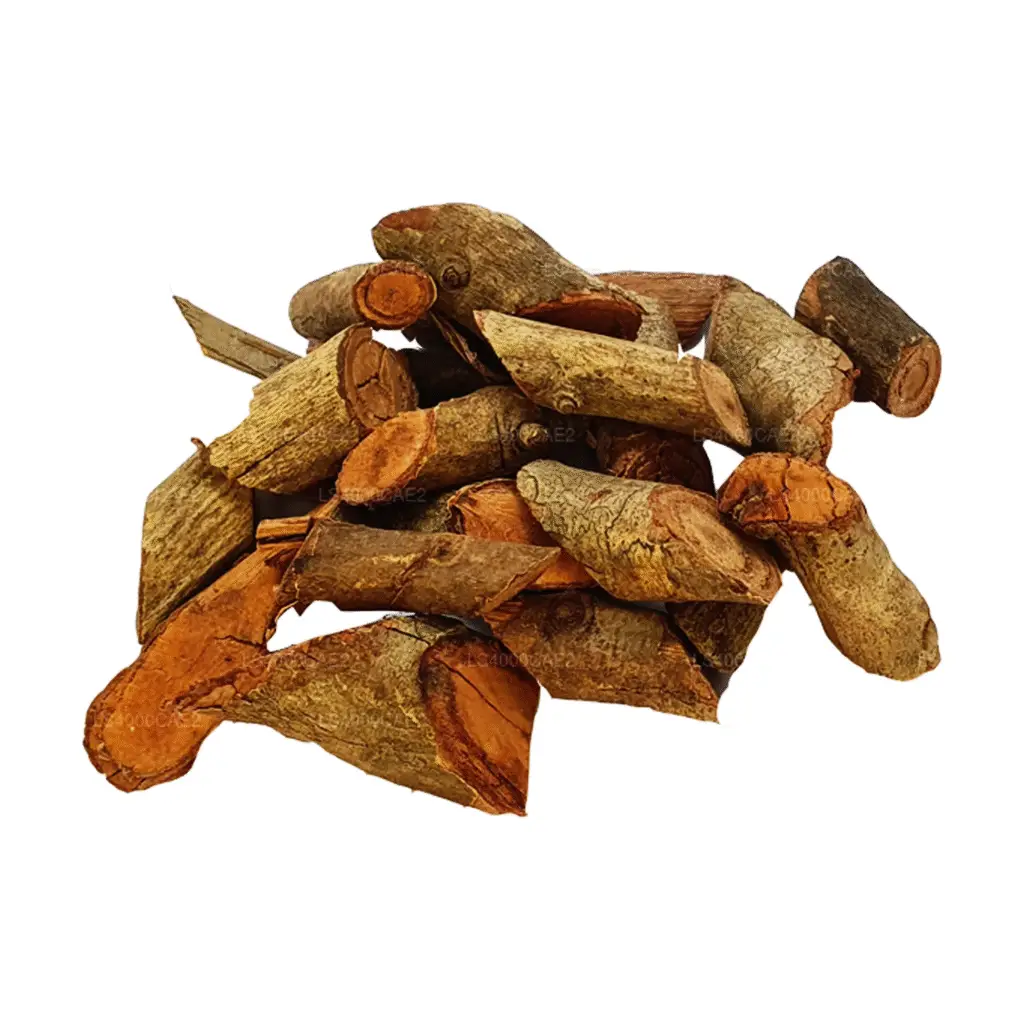
- Ingredients: Obtain dried and chopped Kothala Himbutu root or stem bark from a reputable Ayurveda supplier or pharmacy.
- Measurement: A typical dosage is around 5 grams (approximately one teaspoon) of the dried herb for one cup of water. It is crucial to consult an Ayurvedic practitioner for a personalized dosage.
- Preparation:
- Add the chopped herb to a small pot (clay pots are traditionally preferred) with one cup of water.
- Bring it to a boil, then reduce the heat and allow it to simmer for 5-10 minutes. The water will reduce and turn a deep reddish-brown color.
- Strain the liquid into a cup.
- Consumption: The tea has a characteristically bitter and astringent taste. It is traditionally consumed once or twice a day, typically 30 minutes before a main meal. This timing is strategic, as it allows the active compounds to be present in the digestive system to inhibit enzyme activity when food arrives.
Modern Formats:
Today, you can also find Kothala Himbutu in more convenient forms, such as capsules, powders, and liquid extracts. These offer standardized dosages and eliminate the bitter taste. However, it is essential to purchase these from trustworthy brands that guarantee purity and authenticity.
A Word of Caution: Safety, Side Effects, and Vital Precautions
While Kothala Himbutu is a powerful natural remedy, “natural” does not automatically mean “safe for everyone without caution.” Responsible use is paramount.
- Hypoglycemia Risk: The most significant risk is that it can work too well, potentially causing blood sugar levels to drop too low (hypoglycemia), especially if you are already taking diabetic medication like insulin or metformin. This is not a replacement for your prescribed medication.
- Consult Your Doctor: It is absolutely non-negotiable to consult with your healthcare provider before starting Kothala Himbutu. They can monitor your blood sugar levels and adjust your prescription medications accordingly to prevent dangerous interactions.
- Pregnancy and Lactation: It is not recommended for pregnant or breastfeeding women due to a lack of safety data.
- Digestive Discomfort: Some users may experience mild digestive upset, such as gas or bloating, as the undigested carbohydrates ferment in the gut.
The Verdict: A Powerful Herbal Ally, Not a Magic Cure
The “miracle” of Kothala Himbutu lies not in magic, but in the sophisticated, multi-targeted way it supports the body’s glucose metabolism. It is a shining example of how traditional knowledge and modern science can converge to offer powerful solutions.
For those looking to manage diabetes naturally, Kothala Himbutu presents a compelling, scientifically-backed herbal ally. Its ability to blunt post-meal blood sugar spikes by inhibiting carbohydrate absorption is its standout feature, offering a tangible strategy for better glycemic control.
However, it must be integrated wisely. Think of it as a key component of a holistic lifestyle—a supplement to, not a substitute for, a balanced diet, regular physical activity, stress management, and, most importantly, professional medical guidance.
Sri Lanka’s gift to the world, Kothala Himbutu, stands as a potent reminder that sometimes, the most advanced answers to our modern problems are found not in a lab, but in the timeless wisdom of nature.
Disclaimer: This article is for informational purposes only and is not a substitute for professional medical advice, diagnosis, or treatment. Panchakarma is a powerful therapeutic process and must be undertaken under the direct supervision of a qualified Ayurvedic physician. Always consult with your primary healthcare provider before beginning any new health regimen.