In a world saturated with quick-fix cleanses, juice fasts, and 48-hour “detox” teas, the search for a truly profound and transformative wellness experience is more potent than ever. Enter Panchakarma (pronounced pun-chuh-karma), the ancient Ayurvedic system of detoxification and rejuvenation that is far more than a trend—it’s a journey back to balance.
From the lush, serene wellness resorts of Sri Lanka to high-end Ayurvedic clinics worldwide, Panchakarma is being sought after by those who feel burdened by modern life: the accumulated stress, environmental toxins, and dietary indiscretions that leave us feeling sluggish, unwell, and disconnected. But what exactly is it? Is it a spa vacation? A medical treatment? A spiritual retreat?
The answer is: all of the above. This article will serve as your comprehensive guide, demystifying the Panchakarma process, explaining its profound benefits, and walking you through exactly what to expect from this ultimate mind-body reset.
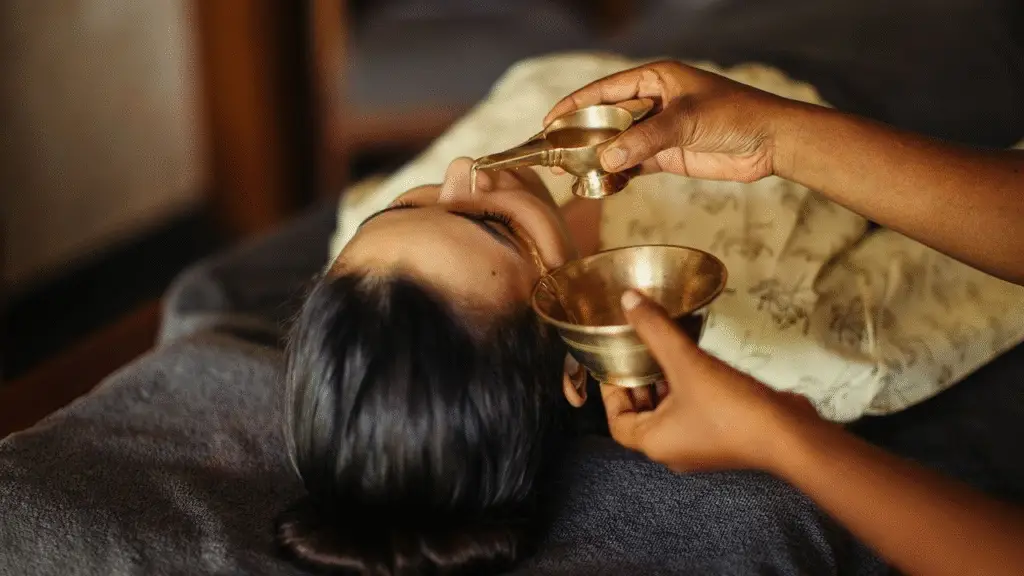
Beyond “Detox”: The Ayurvedic Foundation of Panchakarma
To understand Panchakarma, we must first understand its roots in Ayurveda, the 5,000-year-old “science of life” from India. Ayurveda teaches that health is not merely the absence of disease, but a state of vibrant balance between our body, mind, and consciousness.
According to Ayurveda, the functional intelligences of the body are governed by three bio-energies or doshas:
- Vata (Air & Ether): Governs movement, circulation, and the nervous system.
- Pitta (Fire & Water): Governs digestion, metabolism, and transformation.
- Kapha (Earth & Water): Governs structure, stability, and lubrication.
Throughout our lives, due to diet, lifestyle, stress, and environmental factors, these doshas can become imbalanced. More importantly, the digestive process can produce subtle, sticky toxic waste products known as Ama. Ama is the root cause of most disease; it clogs the body’s channels (srotas), impairing cellular function and leading to fatigue, brain fog, inflammation, and eventually, chronic illness.
Panchakarma is the systematic, scientific process of first liquefying and then eliminating this deep-seated Ama and excess doshas from the body. The term itself means “five actions,” referring to the five primary therapeutic procedures used to cleanse the body.
The Three Stages of a Panchakarma Journey: A Roadmap to Renewal
A true Panchakarma is not a weekend affair. It is a dedicated process, typically lasting from 7 to 21 days (or longer), conducted under the strict supervision of trained Ayurvedic physicians and therapists. It unfolds in three critical stages:
1. Purvakarma (The Preparatory Phase)
You cannot clean a dirty cloth without first soaking it in soapy water. Similarly, the body must be prepared for the deep cleansing to come. This phase, lasting 3-7 days, involves two main processes:
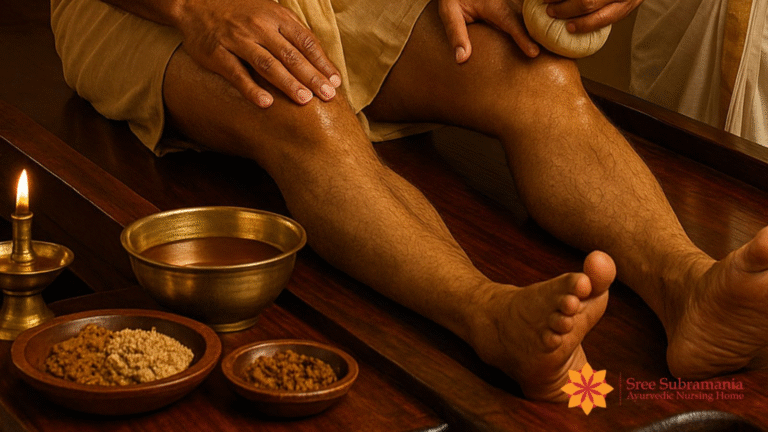
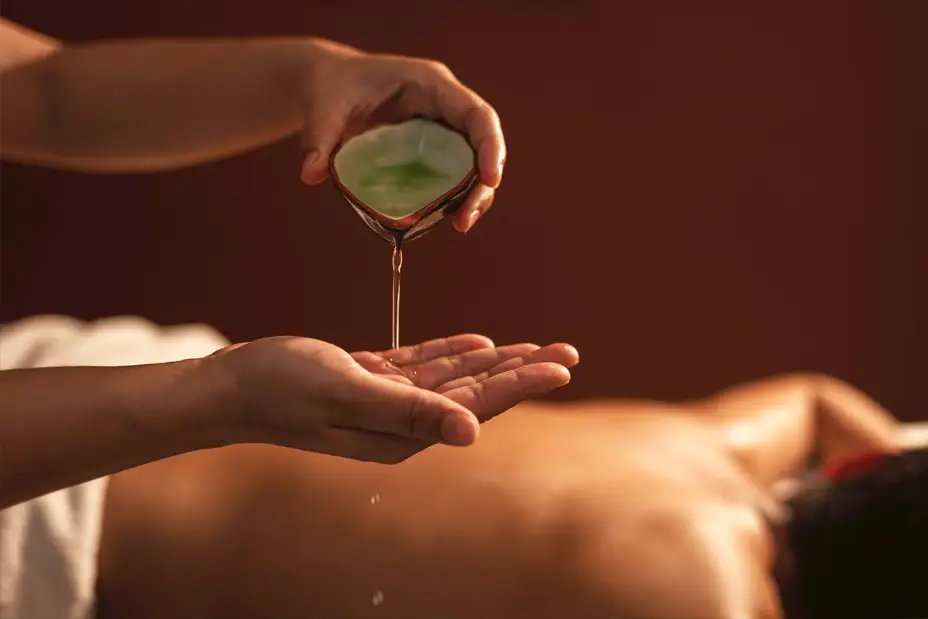
- Snehana (Internal and External Oleation): This involves saturating the body with therapeutic oils and fats.
- Internal Snehana: Medicated ghee (clarified butter) or oils are consumed in gradually increasing amounts each morning. This helps to loosen Ama from the deep tissues and prepare it for movement.
- External Snehana: Abhyanga, a synchronized, two-therapist full-body massage with medicated oils tailored to your doshic imbalance. This pushes the toxins from the extremities towards the gastrointestinal tract.
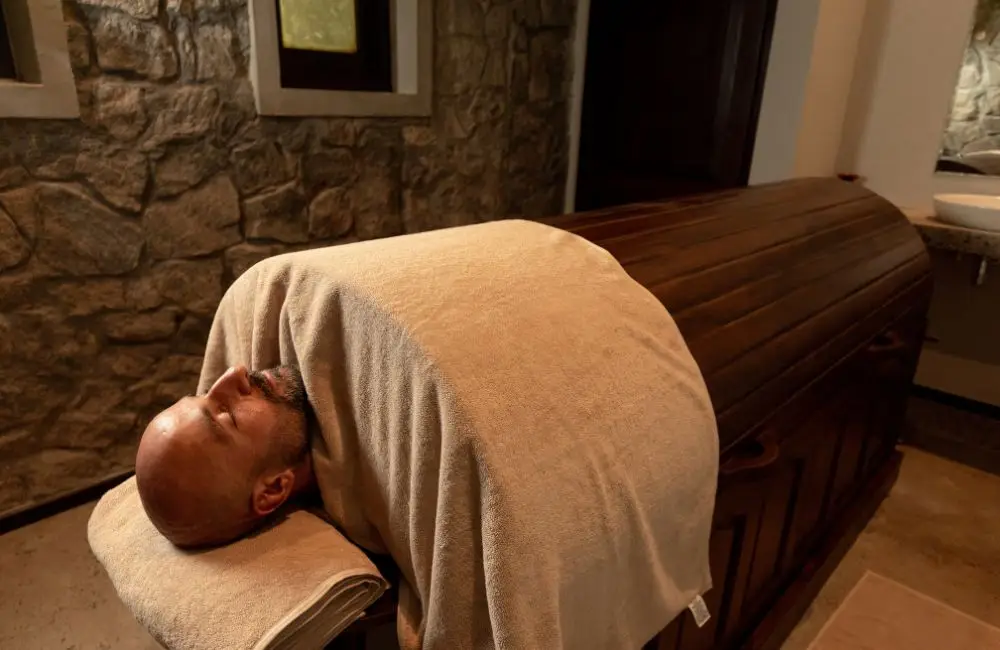
- Swedana (Therapeutic Sweating): Following the massage, you undergo Swedana, typically in the form of a herbal steam bath. The heat opens the channels of the body, further liquefying toxins and making them ready for expulsion.
2. Pradhanakarma (The Main Purification Therapies)
This is the core of the process, where the five “actions” or procedures are employed. Based on your unique constitution (Prakriti) and imbalances (Vikriti), your physician will choose the specific therapies you need. You will likely not receive all five.
The Five Actions of Panchakarma:
- Vamana (Therapeutic Emesis):
- What it is: A medicated vomiting procedure.
- Purpose: Primarily to eliminate excess Kapha dosha and toxins from the stomach and respiratory tract (lungs, sinuses).
- Who it’s for: Those with chronic asthma, bronchitis, sinus congestion, or Kapha-related disorders.
- Virechana (Therapeutic Purgation):
- What it is: The controlled cleansing of the bowels using medicated laxatives.
- Purpose: To eliminate excess Pitta dosha and toxins from the liver, gallbladder, and small intestine.
- Who it’s for: Those with skin conditions (eczema, psoriasis), chronic acidity, liver disorders, jaundice, or inflammatory conditions.
- Basti (Medicated Enema Therapy):
- What it is: Often considered the most important of the five actions, Basti involves administering herbal decoctions and medicated oils through the colon.
- Purpose: To pacify and eliminate excess Vata dosha, which resides primarily in the colon. Vata governs all movement, and balancing it is crucial for overall health.
- Who it’s for: Those with chronic constipation, arthritis, neurological disorders, back pain, and general anxiety.
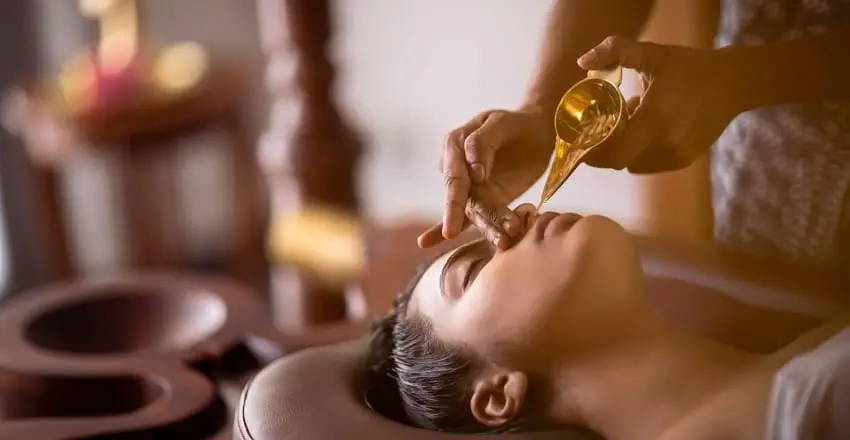
- Nasya (Nasal Administration):
- What it is: The administration of medicated oils or powders through the nasal passages.
- Purpose: To cleanse and purify the head region (sinuses, throat, brain).
- Who it’s for: Those with chronic sinusitis, allergies, migraines, neurological conditions, and stiffness in the neck or jaw.
- Raktamokshana (Bloodletting):
- What it is: The purification of the blood. In modern practice, this is often done with leech therapy, which is surprisingly precise and painless.
- Purpose: To eliminate toxins that have entered the bloodstream, often related to chronic skin conditions.
- Who it’s for: Primarily for specific Pitta-related blood disorders and severe skin diseases. It is the least commonly used of the five today.
3. Paschatkarma (The Post-Treatment Rejuvenation Phase)
The body is now clean but vulnerable, like a freshly weeded garden. This final phase is dedicated to nurturing the body back to strength.
- It involves a specific, gentle diet (samsarjana krama) to rekindle the digestive fire (Agni) without overwhelming it.
- You will be given rejuvenating herbs (Rasayanas) to nourish the newly cleansed tissues.
- Most importantly, you will receive guidance on how to integrate the lessons of Panchakarma into your daily life—diet, routine, and mindset—to maintain the state of balance you have worked so hard to achieve.
What to Expect During a Panchakarma Retreat: A Glimpse into Your Day
A typical day at a Panchakarma retreat is a world away from your normal routine. It is a digital detox and a sensory sanctuary.
- Early Morning: Wake up with the sun. Your day may begin with tongue scraping, oil pulling, and a warm, herbal tea.
- Morning Treatments: You will undergo your prescribed therapies (e.g., Abhyanga and Swedana) for 1-2 hours.
- Rest Period: This is non-negotiable. After treatments, you are encouraged to rest deeply, allowing the body to process the therapies and toxins to continue moving.
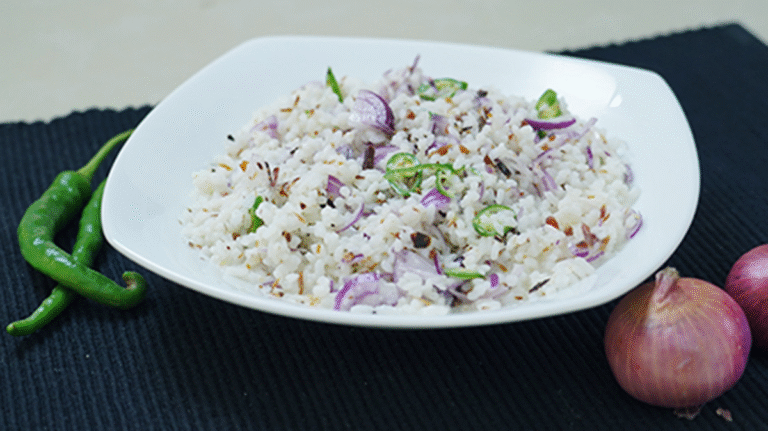
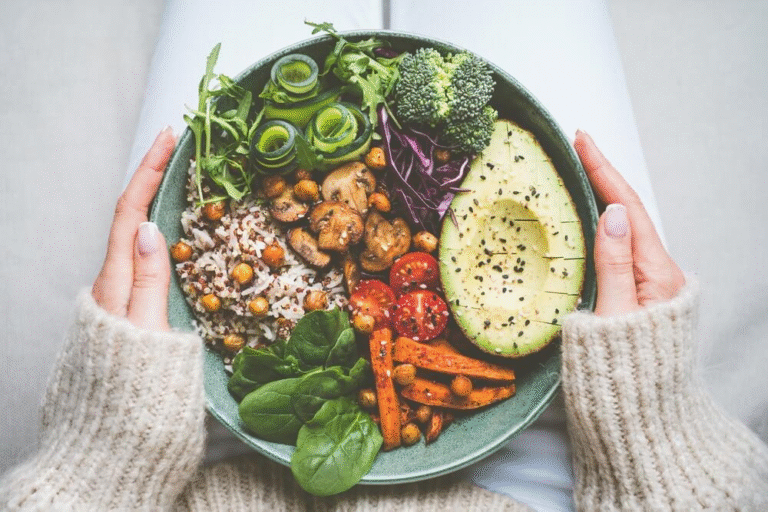
- Meals: You will be served simple, warm, freshly cooked, and easily digestible vegetarian meals, perfectly tailored to support your detox process. There is no caffeine, alcohol, or processed food.
- Afternoon: More rest, gentle yoga (not a vigorous workout), meditation, or walks in nature.
- Evening: A light supper, followed by satsang (spiritual discourse) or quiet reflection before an early bedtime.
The Profound Benefits: Why Go Through All This?
The rewards of completing a genuine Panchakarma are transformative and extend far beyond simple “cleansing.”
- Deep Cellular Detoxification: Removes accumulated toxins (Ama) that no juice cleanse can reach.
- Reboots Digestive Fire: Restores strong, balanced digestion, the cornerstone of health.
- Reduces Inflammation: Alleviates chronic pain, stiffness, and inflammatory conditions.
- Enhances Mental Clarity: Clears brain fog, improves focus, and brings emotional stability.
- Reverses the Effects of Stress: Resets the nervous system, promoting profound relaxation.
- Boosts Immunity & Energy: Creates a lighter, more vibrant physical state.
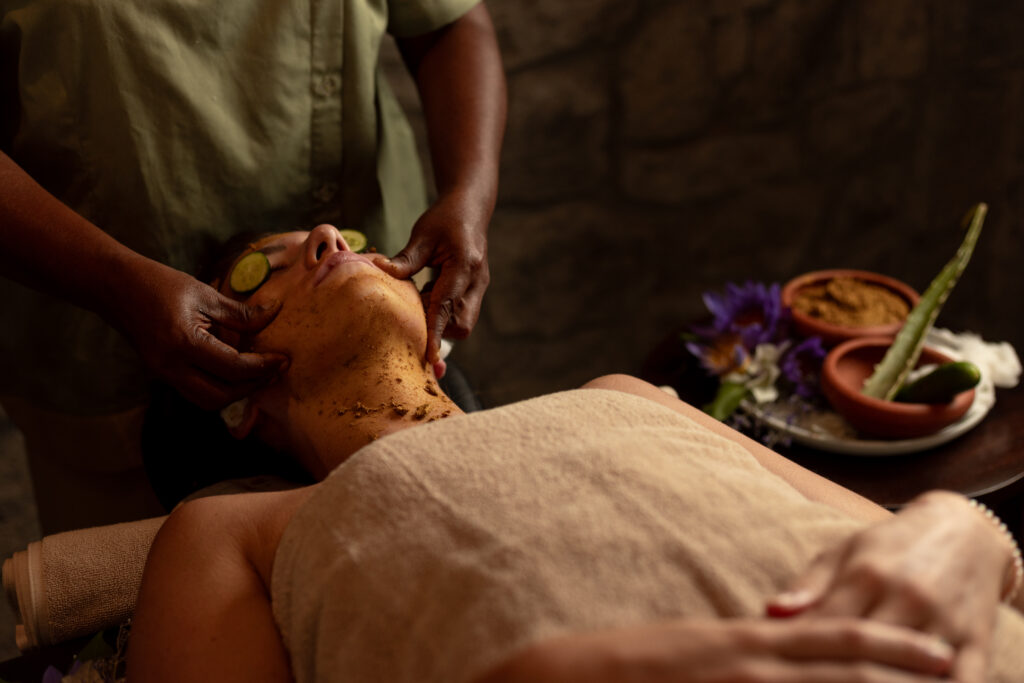
- Promotes Anti-Aging: Rejuvenates the tissues, leading to healthier skin and a more youthful glow.
- Restores Balance: Corrects underlying doshic imbalances, preventing future disease.
Is Panchakarma Right for You?
Panchakarma is a powerful clinical procedure. It is not recommended for the very elderly, very young, or those who are frail. It is crucial to undergo Panchakarma at a reputable, certified clinic or resort with experienced physicians who will conduct a thorough initial assessment to determine if it is suitable for you.
If you feel burdened by the weight of modern life, stuck in a cycle of poor health, or simply yearning for a true reset, Panchakarma may be the profound journey your body and soul are calling for. It is not always easy, but for those who undertake it with sincerity, it offers the ultimate gift: a return to your natural state of vitality, clarity, and peace.
Disclaimer: This article is for informational purposes only and is not a substitute for professional medical advice, diagnosis, or treatment. Panchakarma is a powerful therapeutic process and must be undertaken under the direct supervision of a qualified Ayurvedic physician. Always consult with your primary healthcare provider before beginning any new health regimen.